



How to Strengthen Your Marriage Through Communication

Effective communication is one of the building blocks of a strong and lasting marriage. Like any relationship, a marriage thrives on the exchange of thoughts, feelings, and ideas. However, poor communication can lead to misunderstandings and conflicts. In this blog post, we will explore how to strengthen your marriage through communication and create a deeper bond with your partner.
If you’re ready to take your communication to a deeper, more intimate level, our book Pursuit of Passion: Unlocking the Secrets to Deep Intimacy and Lasting Fulfillment is a powerful companion to this journey. It offers practical tools, guided reflections, and real-life stories designed to help couples break through barriers and connect with greater clarity, empathy, and purpose. As you apply the tips in this blog, the book will serve as a deeper guide to help you not just talk—but truly understand and be understood in your marriage.
The Importance of Marriage Communication
Marriage communication is essential for expressing feelings and resolving conflicts. When couples communicate openly, they can better understand each other’s needs and desires. Studies show that couples who communicate effectively report higher levels of marital satisfaction. In fact, a 2018 study published in the Journal of Family Psychology indicated that effective communication was consistently linked to relationship longevity.
Consider this scenario: One partner feels neglected due to long work hours, while the other is unaware of this feeling. Without open communication, these emotions can turn into resentment. Creating a safe space for honest dialogue can prevent issues from escalating.

Ways to Enhance Communication in Your Marriage
Active Listening
Active listening is a critical component of good communication. It means fully focusing on what your partner is saying without formulating a response while they speak. To practice active listening:
Maintain eye contact to show your partner they have your attention.
Use affirmations like "I understand" or "That makes sense" to validate their feelings.
Paraphrase or summarize what your partner has said to ensure you understood correctly.
For example, if your partner expresses frustration about a work situation, instead of dismissing their feelings, you might say, "It sounds like you're feeling overwhelmed with the pressure at work, and that’s completely understandable." This approach not only shows empathy but also fosters a deeper connection.
Expressing Yourself Clearly
Being open about your feelings is equally important. Use "I" statements to express your thoughts and emotions rather than placing blame. For instance, instead of saying, "You never listen to me," try, "I feel unheard when you are on your phone during our conversations." This simple change can help your partner understand your perspective without feeling attacked.
It’s vital to share both positive and negative feelings. Celebrate your partner’s achievements and express gratitude regularly. Acknowledging the little things builds a foundation of mutual appreciation.

Scheduling Regular Check-Ins
Making time for regular communication check-ins can significantly improve your relationship. These meetings do not need to be formal but should provide a space to discuss any lingering issues, feelings, or updates about your day.
Consider designating a weekly "date night" where you discuss both fun and serious matters. According to a 2014 survey by the National Marriage Project, couples who engage in these regular conversations report feeling more satisfied and connected. During these check-ins, set aside distractions and focus solely on each other.
Nonverbal Communication
It’s essential to recognize that communication extends beyond words. Nonverbal cues, such as body language, tone of voice, and facial expressions, can convey meaning even when words are not spoken. When discussing sensitive topics, ensure your body language matches your words. If you say you understand but have crossed arms and avoid eye contact, your partner may feel dismissed.
Be aware of your facial expressions; a warm smile or nod can encourage open dialogue. Overall, understanding and reacting to nonverbal communication can enhance your interaction and connection.

Seeking Help When Needed
Sometimes, you may find that communication issues persist despite your best efforts. It can be beneficial to seek external support. A professional marriage counseling service can provide strategies and tools to navigate your relationship challenges effectively. Trained counselors can help you understand your communication styles and guide you in developing healthier patterns.
Don’t hesitate to reach out for help if needed. Many couples show improvement after participating in counseling, as they gain insight into their relationship dynamics.
Building a Communication-Friendly Environment
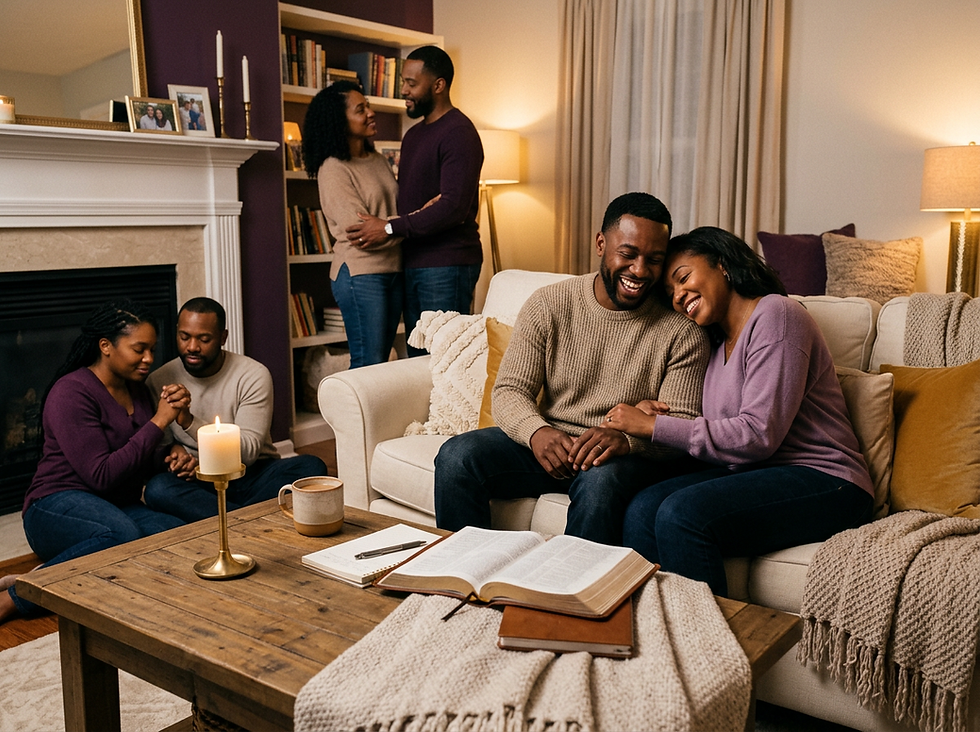
Creating an environment that encourages open communication is vital. This means setting aside distractions, such as phones or televisions, during important discussions. Consider making your living space conducive to conversation. A comfortable setting can foster dialogue, whether at the dinner table or in a quiet corner of your home.
Moreover, approach sensitive topics at appropriate times. Avoid raising significant issues during stressful moments, such as before an important work deadline. Timing is critical; choose moments when both partners are calm and receptive.
Embracing Differences
Every individual has a unique communication style influenced by background, culture, and personality. It’s essential to embrace these differences rather than trying to change your partner. For example, one partner may prefer to express feelings verbally, while another might prefer writing. Understanding and respecting each other’s styles can enhance clarity and connection.
Work together to find a balance between your communication preferences. Discuss how you can adapt to each other’s styles to ensure both partners feel heard and respected.
The Power of Forgiveness
In every relationship, conflicts are inevitable. However, how you handle them can significantly impact your marriage. Practicing forgiveness becomes essential after disagreements. Holding onto grudges can create barriers in your communication and emotional connection.
After resolving a conflict, let go of the past. This doesn’t mean forgetting the issue but rather acknowledging it and moving forward. Make a conscious effort to discuss any residual feelings with your partner, ensuring a clean slate for future conversations.
Final Thoughts on Marriage Communication
Strengthening your marriage through communication is an ongoing process. By practicing active listening, expressing your feelings clearly, scheduling regular check-ins, recognizing nonverbal cues, and seeking help when necessary, you can create a deeper emotional connection with your partner.
Embrace the power of dialogue and rapport-building, and remember that every conversation is an opportunity to enhance your relationship. Prioritizing marriage communication can lead to a more fulfilling and passionate partnership.
In summary, remember that making these changes might take time and require ongoing effort. But the rewards are priceless—a loving, supportive, and understanding marriage that will endure the tests of time.
To support you on this journey, our Marriage Oneness sessions offer a safe, faith-based space to practice these communication tools and grow together with your spouse. Each session is designed to help you build trust, deepen emotional intimacy, and apply the principles we’ve shared here in real-life situations. Lasting change doesn’t happen overnight—but with the right support, it’s absolutely possible. Let our sessions be the next step in creating the marriage you both desire and deserve.


Comments